
Understanding the Financial Landscape for Visual Artists in Australia

Visual artists in Australia face a complex financial environment that shapes their ability to sustain a studio business and thrive creatively. From the costs of running a studio to the challenges of returning to the arts market after illness, and the unique difficulties faced by rural artists, this post explores the realities behind the scenes. It also touches on the history of pen-and-ink drawing and how cross-cultural influences have shaped drawing techniques, providing a broader context for the artistic journey.

The Costs of Running a Visual Arts Studio in Australia
Running a studio business involves more than just creating art. Visual artists must manage various expenses that can quickly add up:
Studio rent and utilities: In cities like Sydney and Melbourne, studio spaces can cost between AUD 300 and AUD 800 per week, depending on location and size. Rural areas may offer cheaper rent but come with other challenges.
Artwork production and materials: High-quality materials such as canvases, paints, inks, brushes, and paper can cost hundreds of dollars per month. Pen-and-ink drawing, for example, requires specialised inks and papers that preserve fine detail.
Marketing and promotion: Artists often spend on website hosting, printing portfolios, exhibition fees, and social media advertising to reach buyers and galleries.
Insurance: Studio insurance protects against theft, damage, and liability, typically costing AUD 500-1,000 annually.
Freight and shipping: Sending artwork to galleries or buyers across Australia or internationally can be expensive, especially for fragile or large pieces.
Payment for hours worked: Many artists struggle to pay themselves a living wage. Research shows the average income for visual artists in Australia is around AUD 45,000 per year, often supplemented by other jobs or grants.
These costs highlight the financial pressure artists face just to keep their practice alive.
Income Realities for Australian Visual Artists
The average income for visual artists in Australia remains modest. According to the Australia Council for the Arts, many artists earn less than AUD 30,000 annually from their art alone. This figure reflects the difficulty of selling work consistently and the limited financial support available.
Artists often rely on:
Government grants and subsidies
Teaching workshops or classes
Part-time or casual work outside the arts sector
This financial instability can discourage emerging artists or those trying to re-establish themselves after a break.
Challenges Returning to the Arts Market After Illness
A prolonged illness can significantly disrupt an artist’s career. Returning to the arts market involves:
Rebuilding a portfolio and reputation
Reconnecting with galleries, collectors, and audiences
Catching up on new trends and technologies in art production and marketing
Managing ongoing health costs alongside studio expenses
For many, the financial strain during recovery means limited resources for materials or promotion. This gap can make it harder to regain momentum and visibility.
Complications for Rural Visual Artists in Australia
Artists living outside major cities face additional hurdles:
Limited access to galleries and exhibitions: Rural artists often have fewer opportunities to showcase work locally.
Higher freight costs: Shipping artwork to urban centres or international buyers is more expensive and logistically complex.
Fewer networking opportunities: Building connections with other artists, curators, and buyers can be challenging.
Less government support: Funding programs tend to focus on metropolitan areas, leaving rural artists with fewer resources.
Despite these challenges, rural artists contribute richly to Australia’s cultural fabric, often drawing inspiration from unique landscapes and communities.

Government Support and Community Recognition
Federal, state, and local governments provide some funding and programs for visual artists, but many artists feel the support is insufficient or unevenly distributed. The visual arts often receive less attention than other creative industries, such as film and music.
Key issues include:
Limited funding pools that do not cover the full costs of artistic production
Lack of recognition for the economic and social contributions of the visual arts to communities
Insufficient infrastructure and resources for artists in regional areas
Greater investment and policy focus could help visual artists sustain their careers and enrich Australian culture.
The History of Pen and Ink Drawing and Cross-Cultural Influences
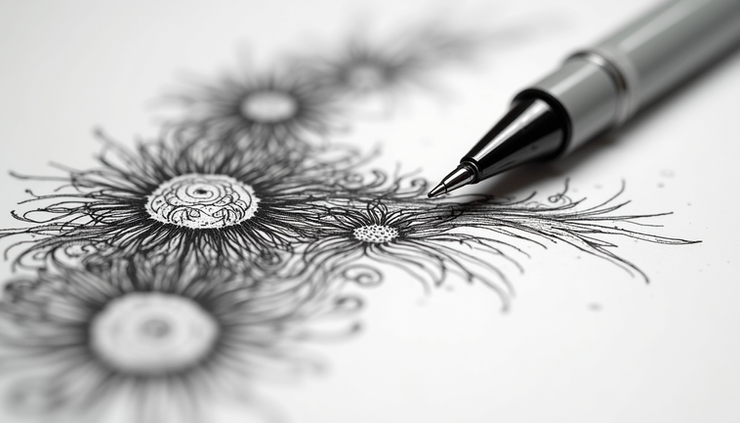
Pen-and-ink drawing has a long history, dating back thousands of years across many cultures. Ancient Egyptians, Chinese calligraphers, and medieval European artists all developed unique techniques using ink and pen.
Cross-cultural influences shaped the evolution of drawing styles:
Asian brush-and-ink techniques emphasised fluidity and expression.
European pen-and-ink work focused on fine lines and detailed shading.
Middle Eastern artists contributed intricate patterns and calligraphy.
Today, contemporary artists blend these traditions, creating diverse and innovative works that reflect global artistic heritage.
Supporting Visual Artists in Australia
Understanding the financial landscape helps highlight the need for stronger support systems. Practical steps to assist artists include:
Increasing funding for studio spaces and materials
Expanding grants and residencies, especially for rural artists
Offering business training to help artists manage finances and marketing
Promoting public awareness of the value of the visual arts in society
Artists enrich communities by preserving culture, inspiring creativity, and contributing to local economies. Recognising and supporting their work benefits everyone.


Comments